The Importance of Good Poker Etiquette
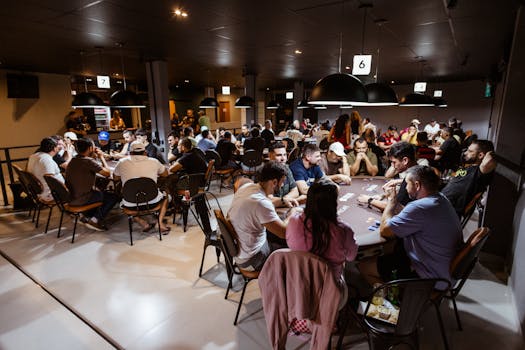
Poker etiquette encompasses a range of behaviors that are generally expected at the poker table, promoting a respectful and enjoyable atmosphere. Whether you're a novice or a seasoned player, understanding and adhering to these unwritten rules can greatly enhance your gaming experience and your relationships with other players.
Key Aspects of Poker Etiquette
.png)
- Respect for the Game and Players
- Respect is critical: Always treat your fellow players and the dealer with respect. This includes listening actively, following the game, and refraining from inappropriate comments or behavior.
- Keep emotions in check: Poker can be intense, but managing your emotions is crucial. Whether you're winning or losing, maintain a composed demeanor to keep the game enjoyable for everyone.
- Punctuality
- Arrive on time: Showing up on time for a poker game is a basic yet essential aspect of respect. It demonstrates your commitment to the game and respect for other players' time.
- Visibility of Cards
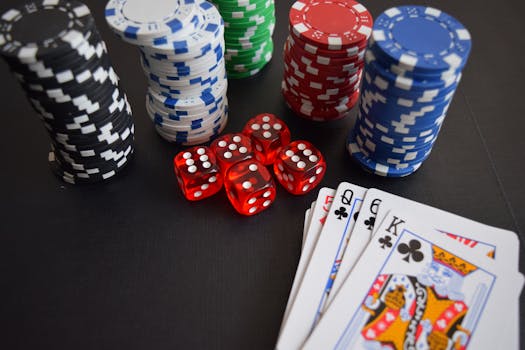
- Keep cards in view: Always ensure that your cards are visible to avoid any suspicion of unfair play. Use a chip or card protector to cover them.
- Proper Handling of Chips
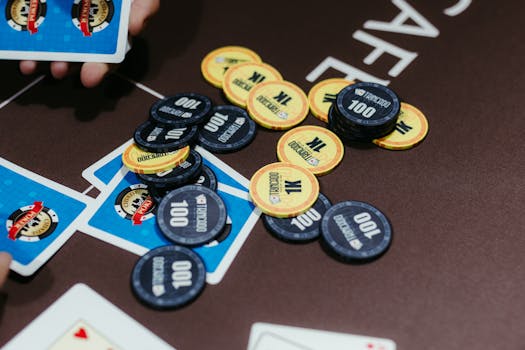
- Avoid splashing the pot: Place your chips neatly in front of you rather than throwing them into the pot. This helps in maintaining clear communication about bet amounts.
- Observation and Focus
- Pay attention: Stay focused on the game and be prepared to take your turn promptly. This helps in maintaining the flow and rhythm of the game.
- Dealer Interaction
- Treat the dealer with respect: The dealer is integral to the smooth running of the game. Avoid disputes and remember to tip, particularly in a casino setting.
- Knowing When to Exit
- Exit timely: Whether you are ahead or have reached your limit, knowing when to leave the table is a sign of a mature player.
- Avoiding Poor Sportsmanship
- No slow rolling: Deliberately delaying to show a winning hand is poor sportsmanship and can sour the game's atmosphere.
- Control your reactions: Whether you win or lose, keep your reactions modest and respectful.
- Handling Defeat
- Lose gracefully: Acknowledge the winners, learn from your losses, and treat each game as a learning opportunity.
The Benefits of Good Etiquette in Poker
Good poker etiquette does more than just make the game smoother; it also:
- Enhances relationships: By showing respect and courtesy, you build positive relationships with other players.
- Improves the game environment: A respectful and courteous table is more enjoyable and can lead to more honest and open play.
- Reflects on your character: How you handle yourself at the poker table can reflect on your character in other areas of life.
By embracing these etiquette guidelines, you not only improve your own gaming experience but also contribute positively to the overall atmosphere of the game. Remember, poker is not just about winning hands; it's about winning respect and enjoying the journey. Keep these principles in mind the next time you join a poker game, and you'll be sure to leave a good impression.